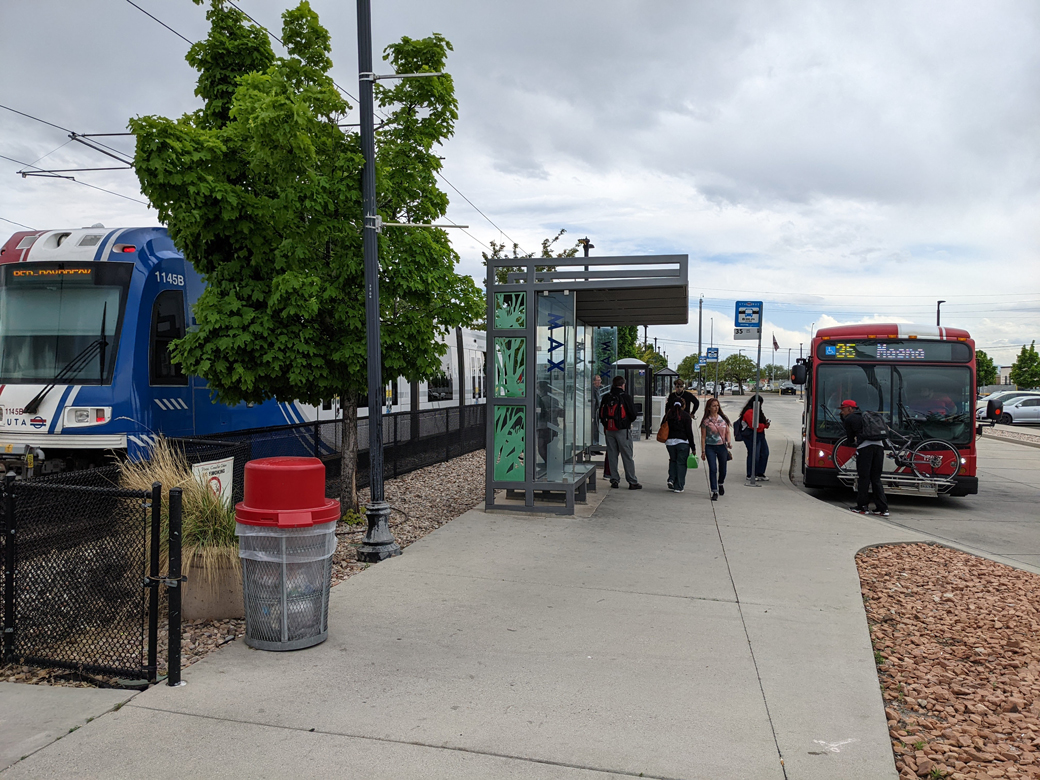
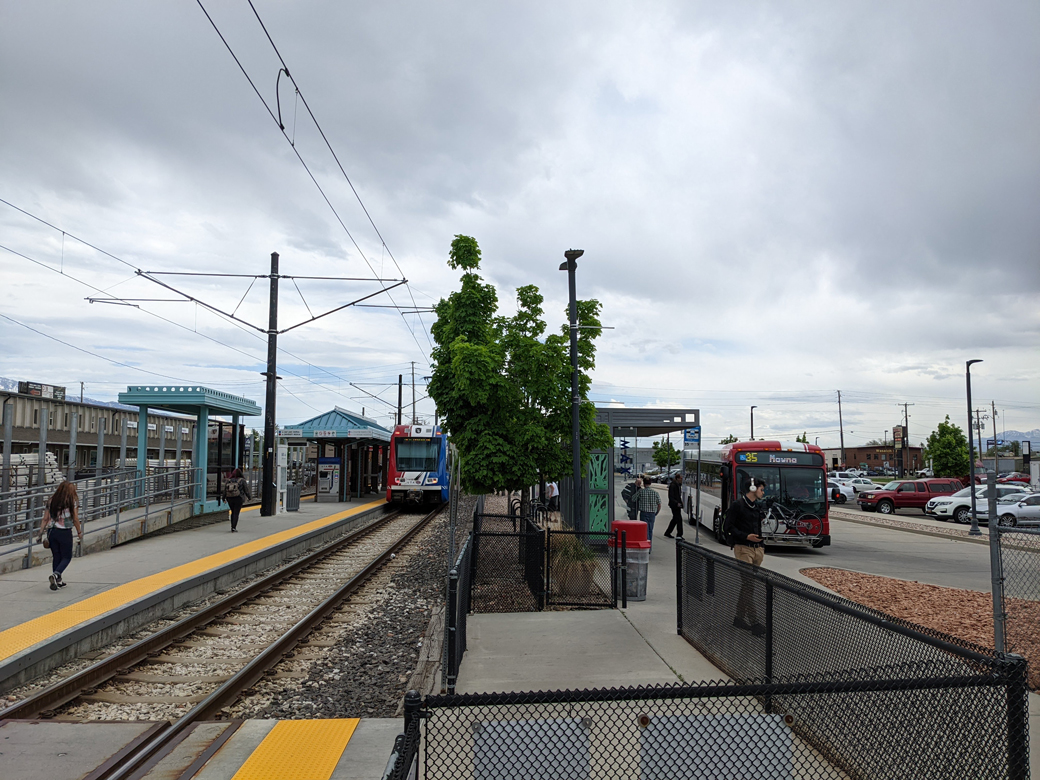


When the opportunity arises to enhance your transit system, through either a new corridor expansion or improving existing service, what process should be taken? And what elements need to be considered for a seamless reconfigured network from planning and design through implementation and operation? You want to be sure that your transit system service exceeds your customers’ needs and takes on the challenges of evolving ridership trends.
As transit providers reimagine and expand their transit networks, FHU is committed to a people-focused approach to transit operations planning. We ensure that planning and design are focused around a collaborative and inclusive approach that works for transit operators and their passengers. We partner with our clients to maximize opportunities in multimodal transfers, efficient service planning, and cost-effective design of their transit infrastructure. Recognized as a leader in transit planning and engineering, FHU has an unwavering commitment to serving people by developing solutions customized to each client.
FHU has the skills to meet every step of the operations planning process, involving:
We will be your partner throughout multi-year projects and cover the full range of technologies from streetcars and light rail to heavy rail, commuter rail, and inter-city/regional rail, in addition to high-capacity bus technology such as BRT.
Essential to the operations planning process is the infrastructure and capital development, which determines how efficient the system is operated. FHU is prepared to help with these items including:
As communities and transit providers become increasingly aware of the value of transit and the role it plays in mobility, planning and implementing innovative but practical plans for transit service is an increasingly desirable skill. Transit agencies are continually adapting to changing trends in ridership and funding sources. Operations and service planning strategies can help focus essential resources on exceeding the customer experience across the transit system. At FHU, we believe that timing is everything, which includes an array of priorities from meeting a project timeline so that a new service can be implemented advantageously as well as details such as getting the run times for a proposed new service correct the first time.


We use cookies to improve your experience on our site. By using our site, you consent to cookies.
Manage your cookie preferences below:
Essential cookies enable basic functions and are necessary for the proper function of the website.
Google Tag Manager simplifies the management of marketing tags on your website without code changes.
You can find more information in our Cookie Policy and .